
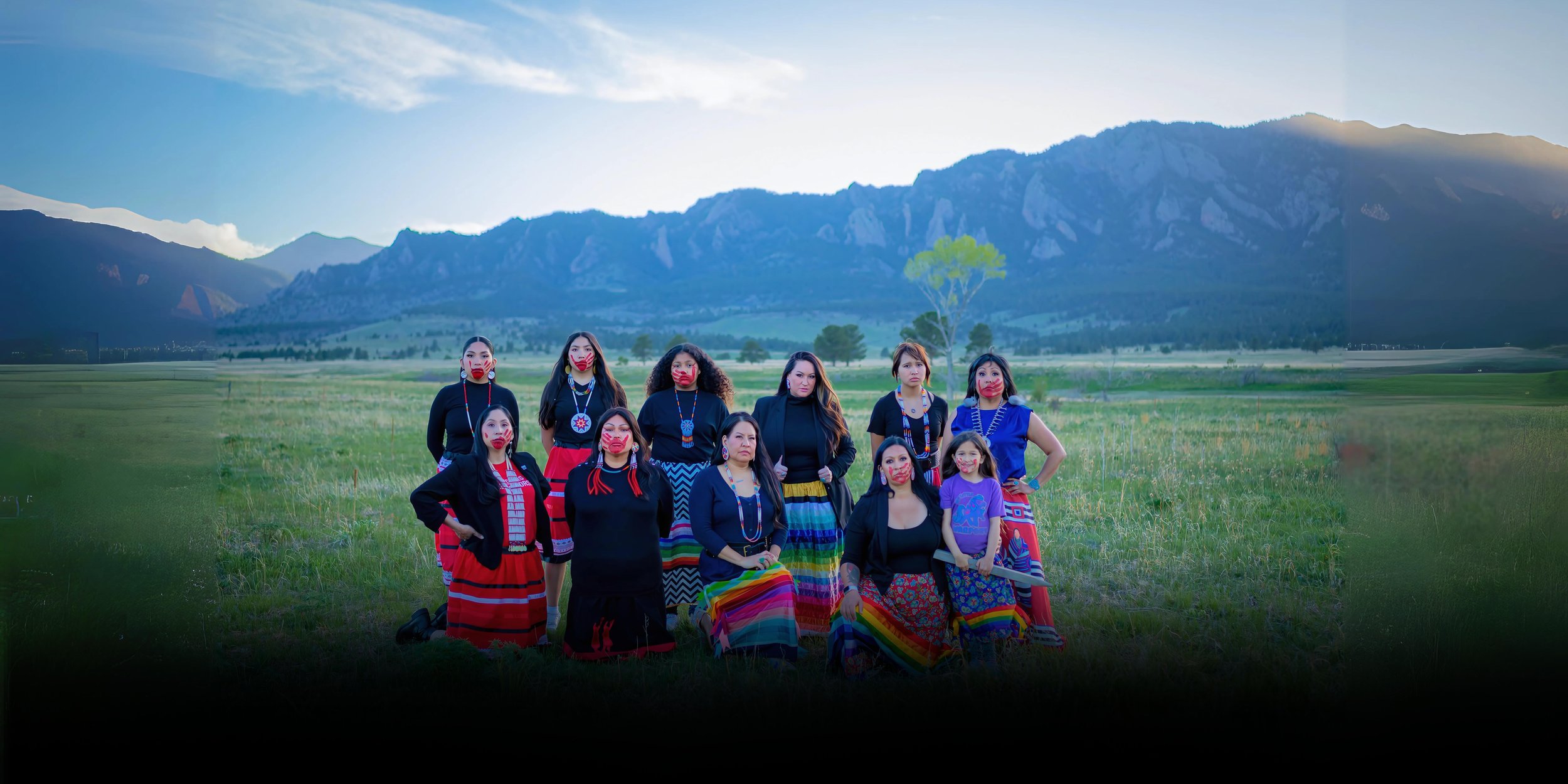

Today We Raise Awareness
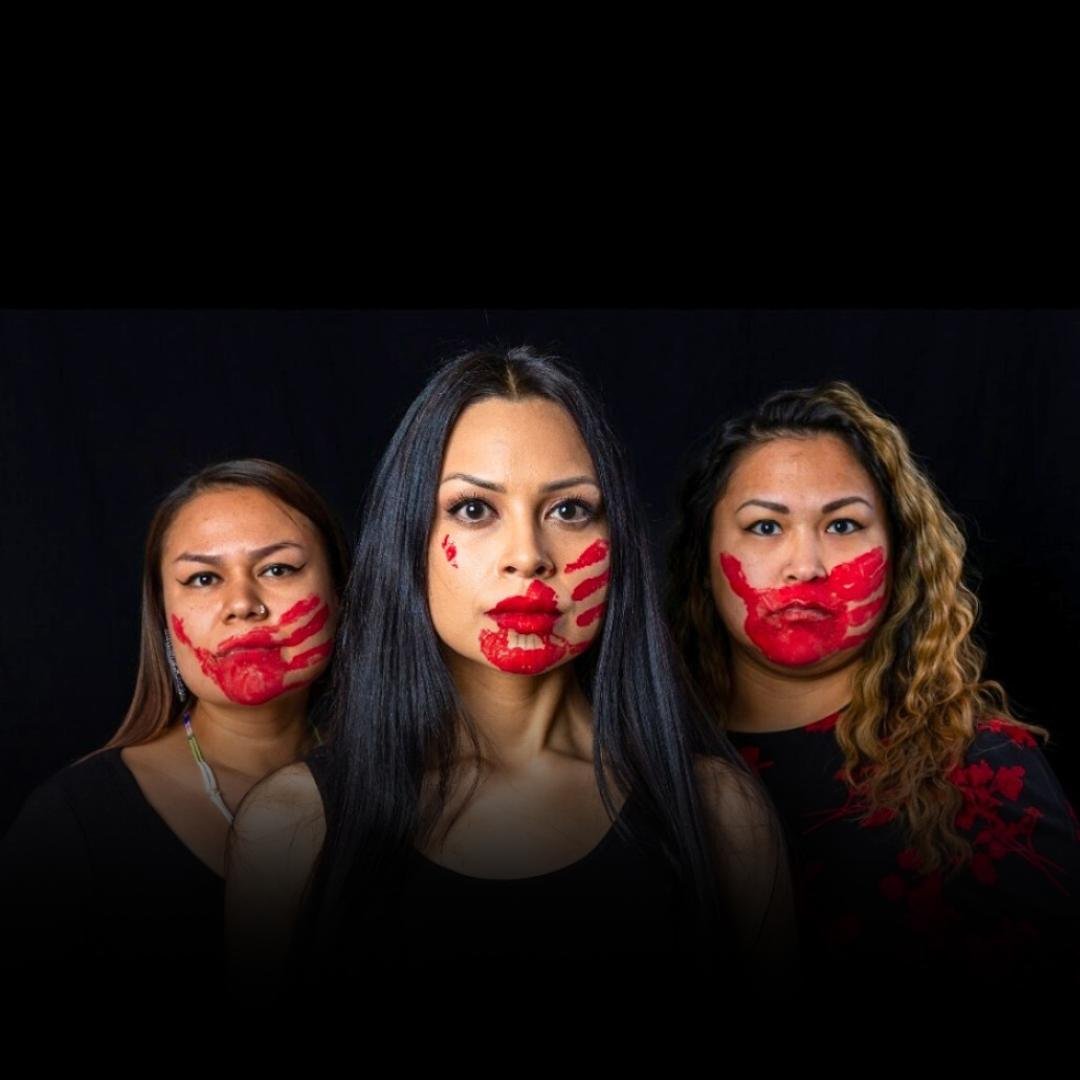
Tomorrow We Will Have Justice
For Every Statistic
There Is a Story Of Fear

Highest Rates of Violence
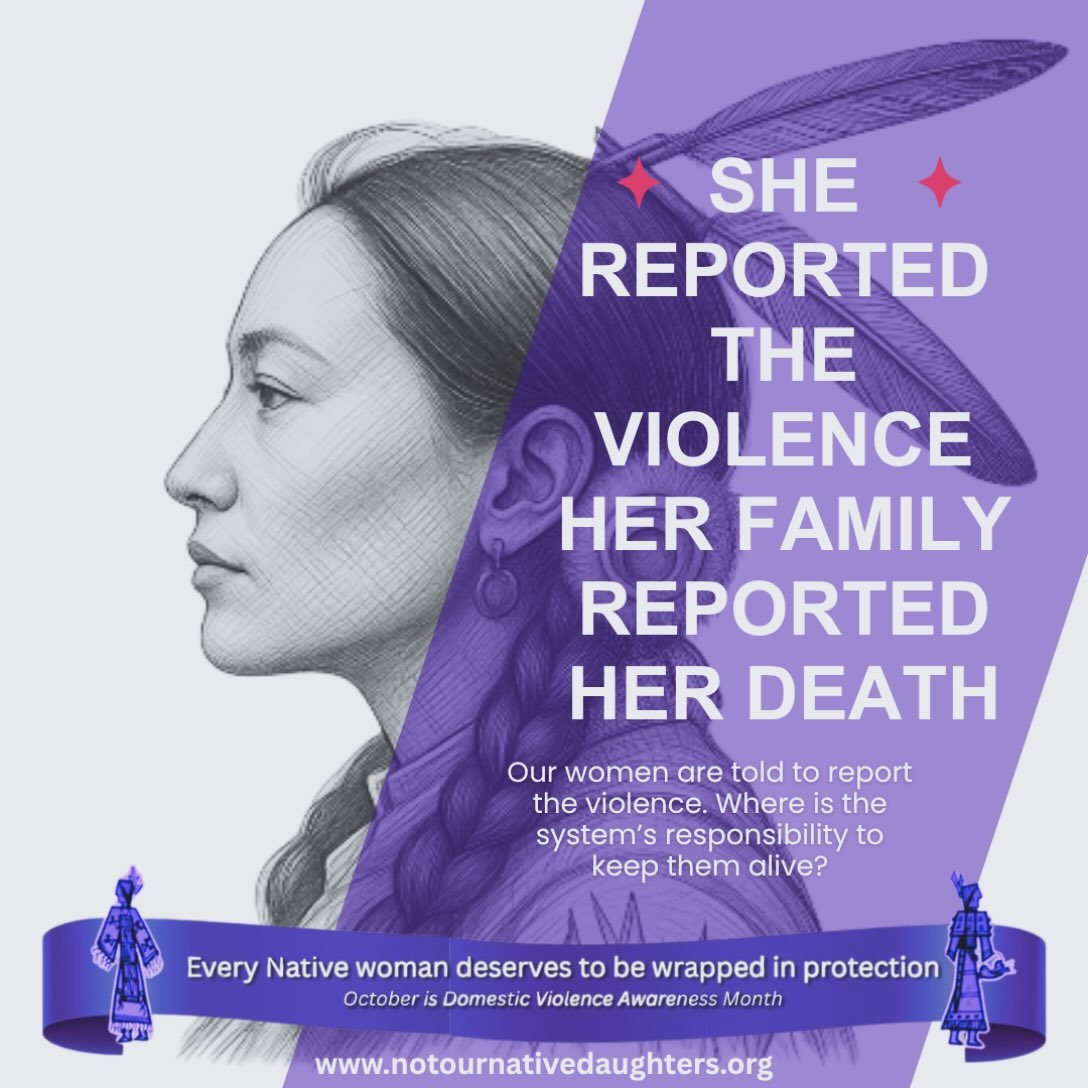
Native American women face some of the highest rates of violence in the United States. The Department of Justice reports that 84.3% of Native American women have experienced violence in their lifetime, which is significantly higher than the national average.
Between 86-96 percent of the sexual abuse of Native women is committed by non-Indigenous perpetrators who are rarely brought to justice. This violence has its roots in colonial history, starting with Columbus's 1492 expedition.
Colonial Roots of Violence

The crisis of Missing and Murdered Indigenous Women (MMIW) is severe. The Centers for Disease Control and Prevention (CDC) found that Native American women are more than twice as likely to be victims of homicide compared to non-Hispanic white women.

Murdered, Missing & Indigenous Women
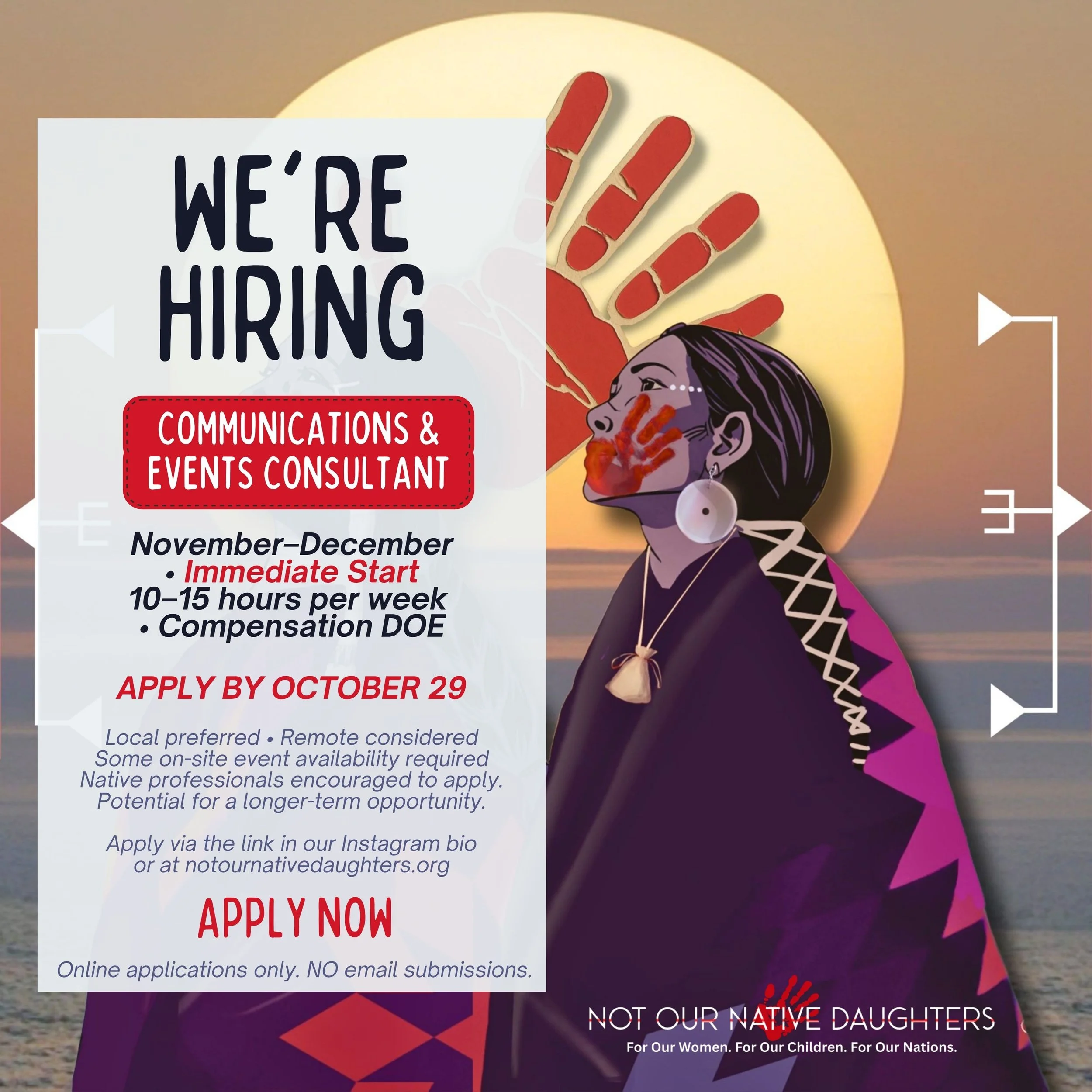
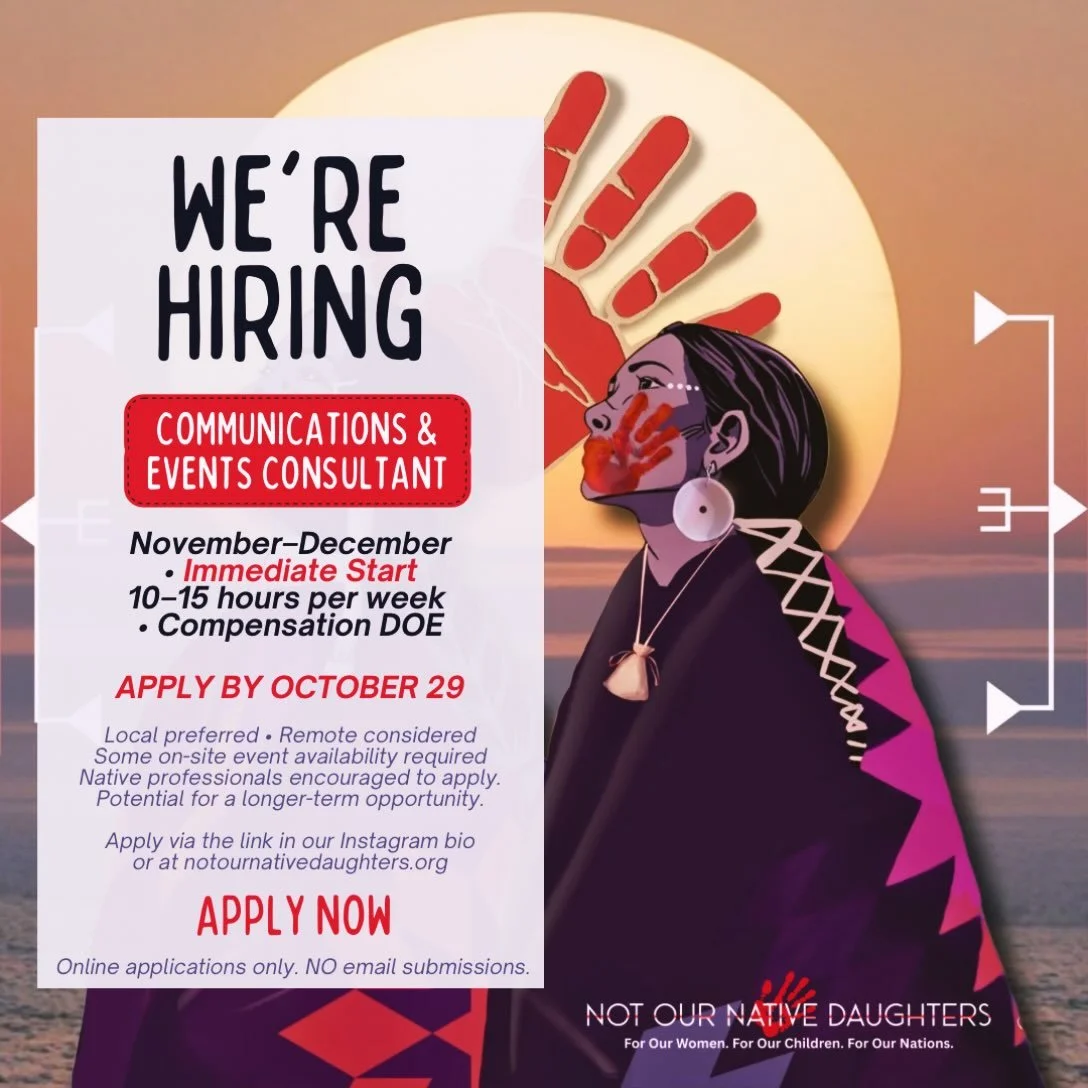
Not Our Native Daughters seeks an experienced Communications & Events Consultant to support year-end fundraising, donor outreach, sponsorship development, and event coordination. The ideal candidate brings demonstrated fundraising and event experience, excellent communication and interpersonal skills, and the initiative to manage priorities independently with minimal supervision. This paid, part-time engagement begins immediately and continues through December 31, approximately 10–15 hours per week, with potential for extension. Compensation is based on experience and qualifications, with a possible performance-based bonus. Remote applicants are welcome; Denver–Boulder candidates are preferred. Two verifiable professional references are required. Applications will be reviewed as received and are due October 29, 2026. The application may close earlier if a qualified candidate is selected, so early applications are encouraged. Apply below.
These statistics underscore the urgent need for action and support for Native American women, highlighting the disparities and challenges we face in various aspects of life. Will you join us in supporting Native-led, women-led efforts that are working to change these statistics?
Keeping You in the Circle
Updates, Events and News
Stay connected with Not Our Native Daughters and learn where you can meet our team, support our work, and stand with families impacted by the MMIP crisis.
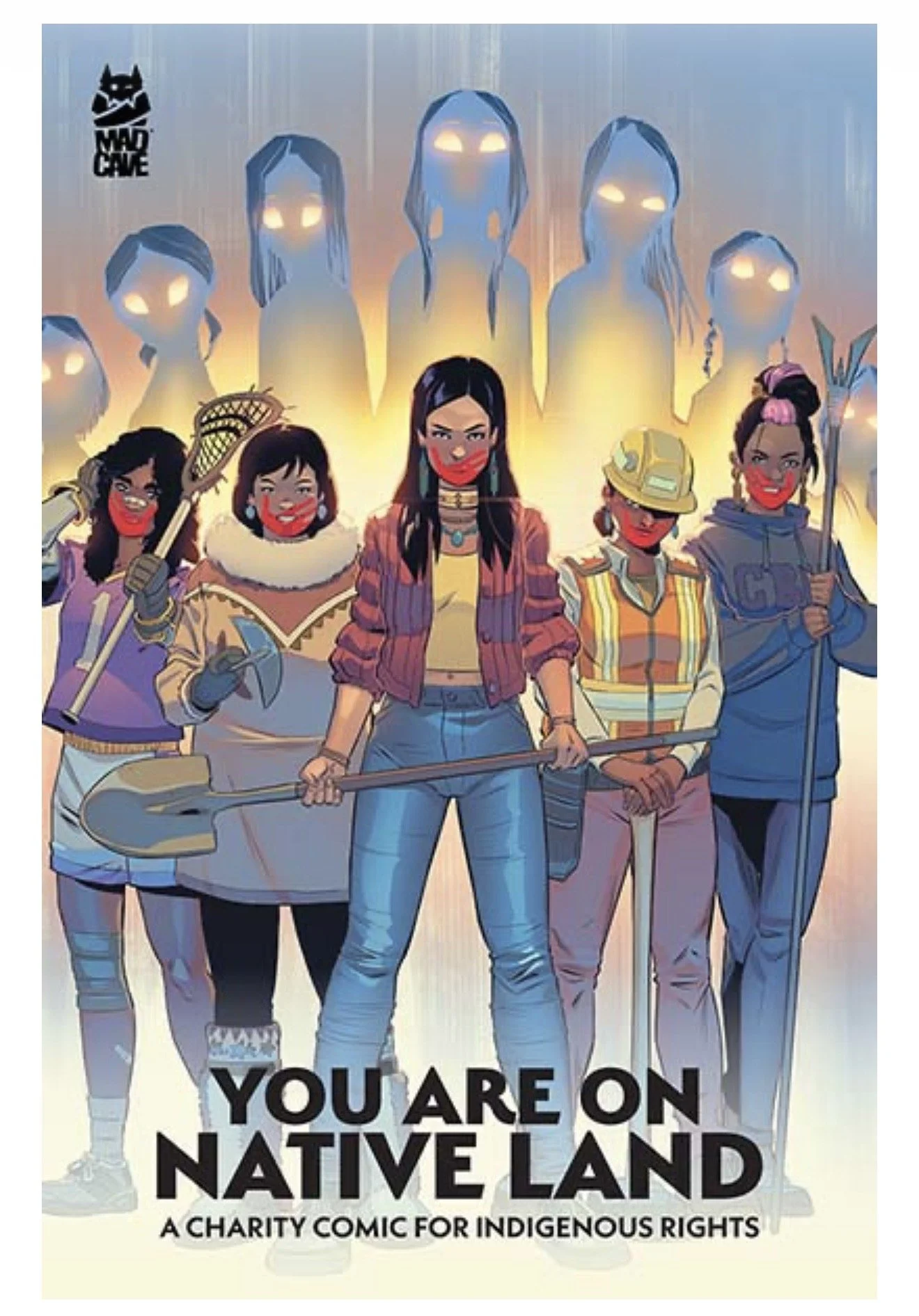
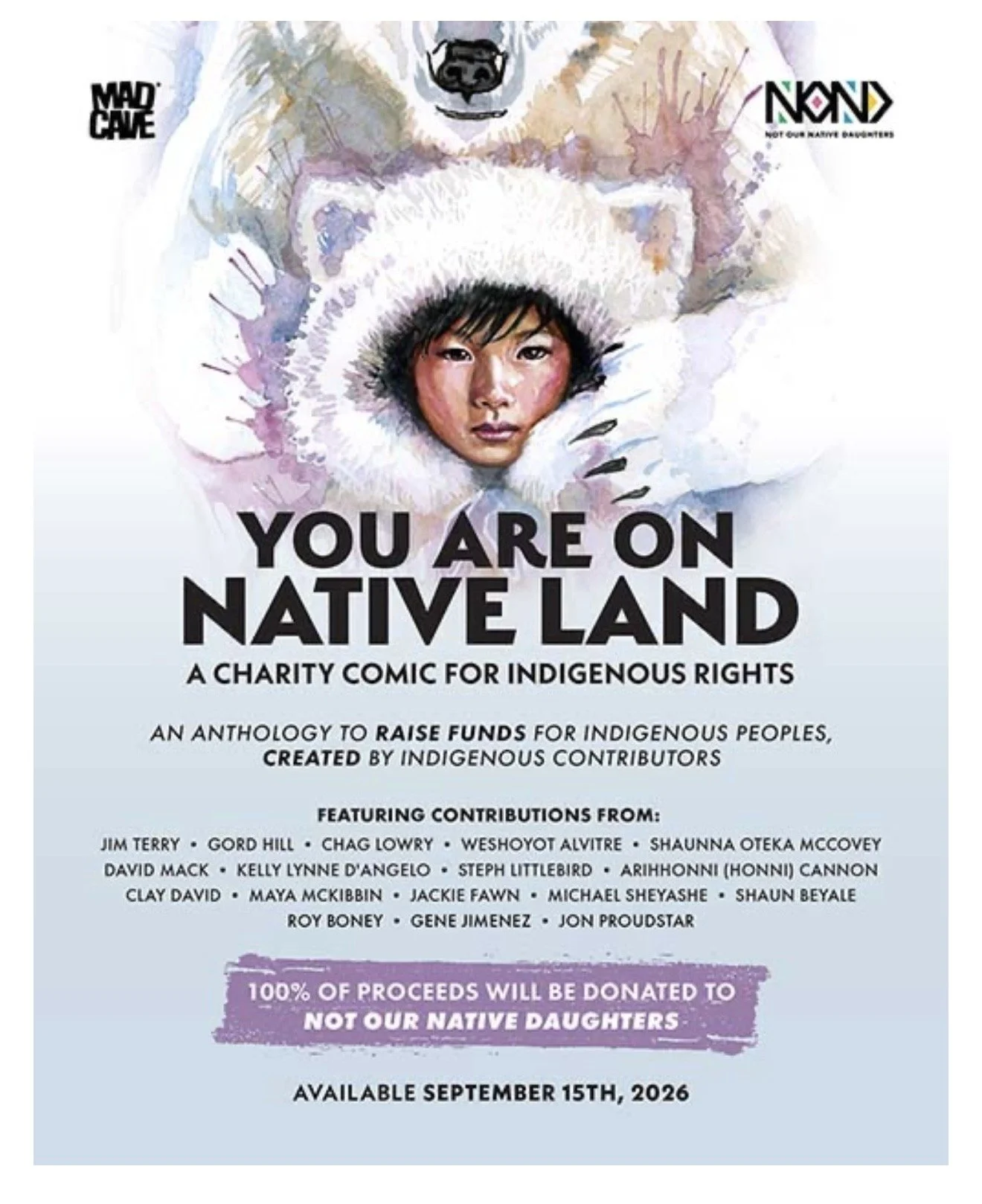
You Are On NATIVE LAND
Available September 15, 2026
Earlier this year, we had the honor of working with the Mad Cave Studios team on You Are on Native Land: A Charity Comic for Indigenous Rights. We contributed artwork, information about the MMIP crisis, and the story of the work Not Our Native Daughters is leading.
This powerful anthology was created by Indigenous contributors to elevate Indigenous stories, experiences, and voices. One hundred percent of the proceeds will be donated to Not Our Native Daughters.
Our stories—told by us and by those leading the work.
Inaugural Native American Art Market
October 4, 2026 | Vail, Colorado
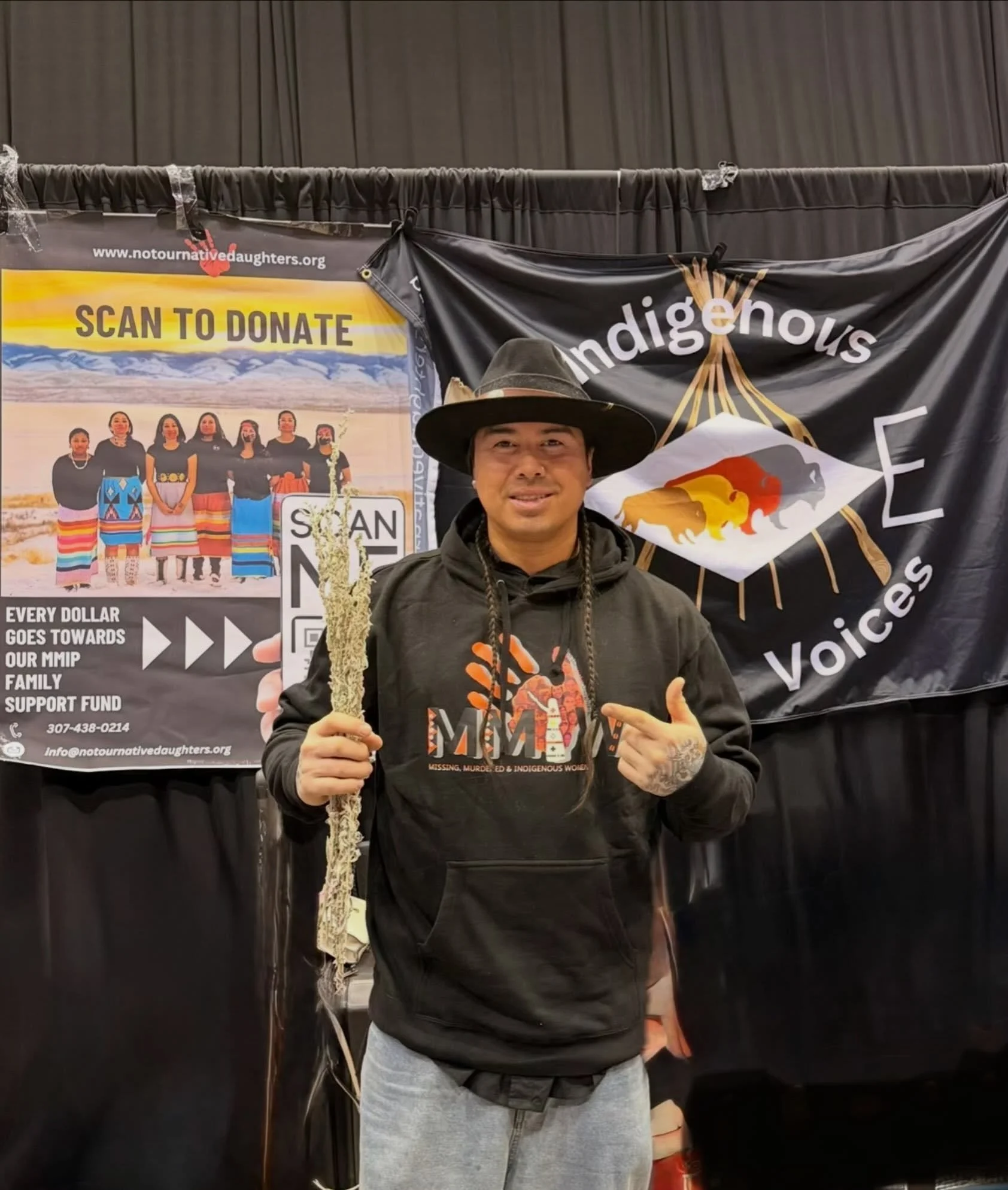
Not Our Native Daughters will have a table at Vail’s inaugural Native American Art Market. Stop by to meet our team, learn more about our work, and purchase MMIWR T-shirts, hoodies, coffee mugs, stickers, and other merchandise.
Your support helps a Native-led organization that is actively doing the work and providing direct financial assistance to families through our MMIP Family Support Fund.
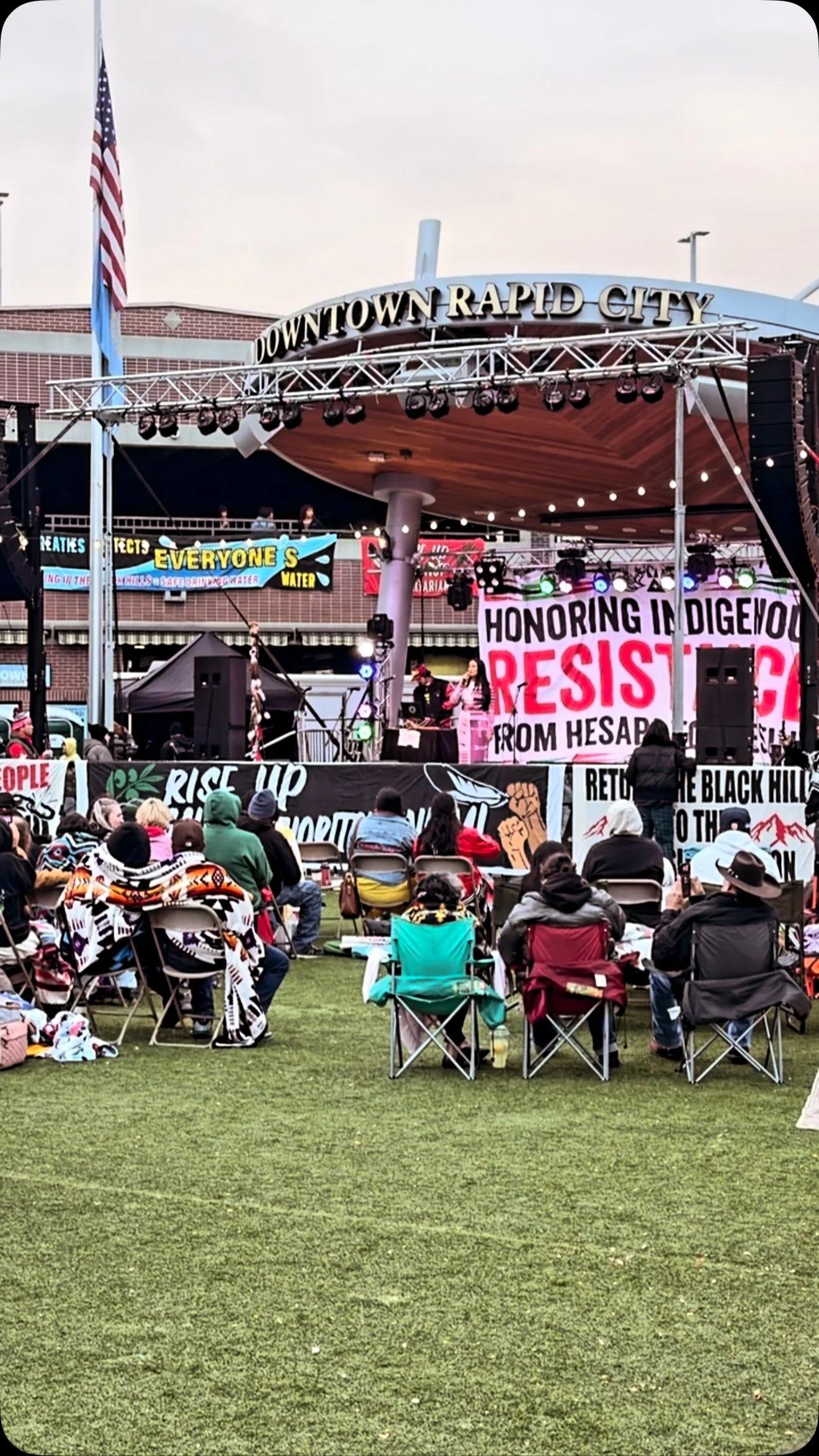
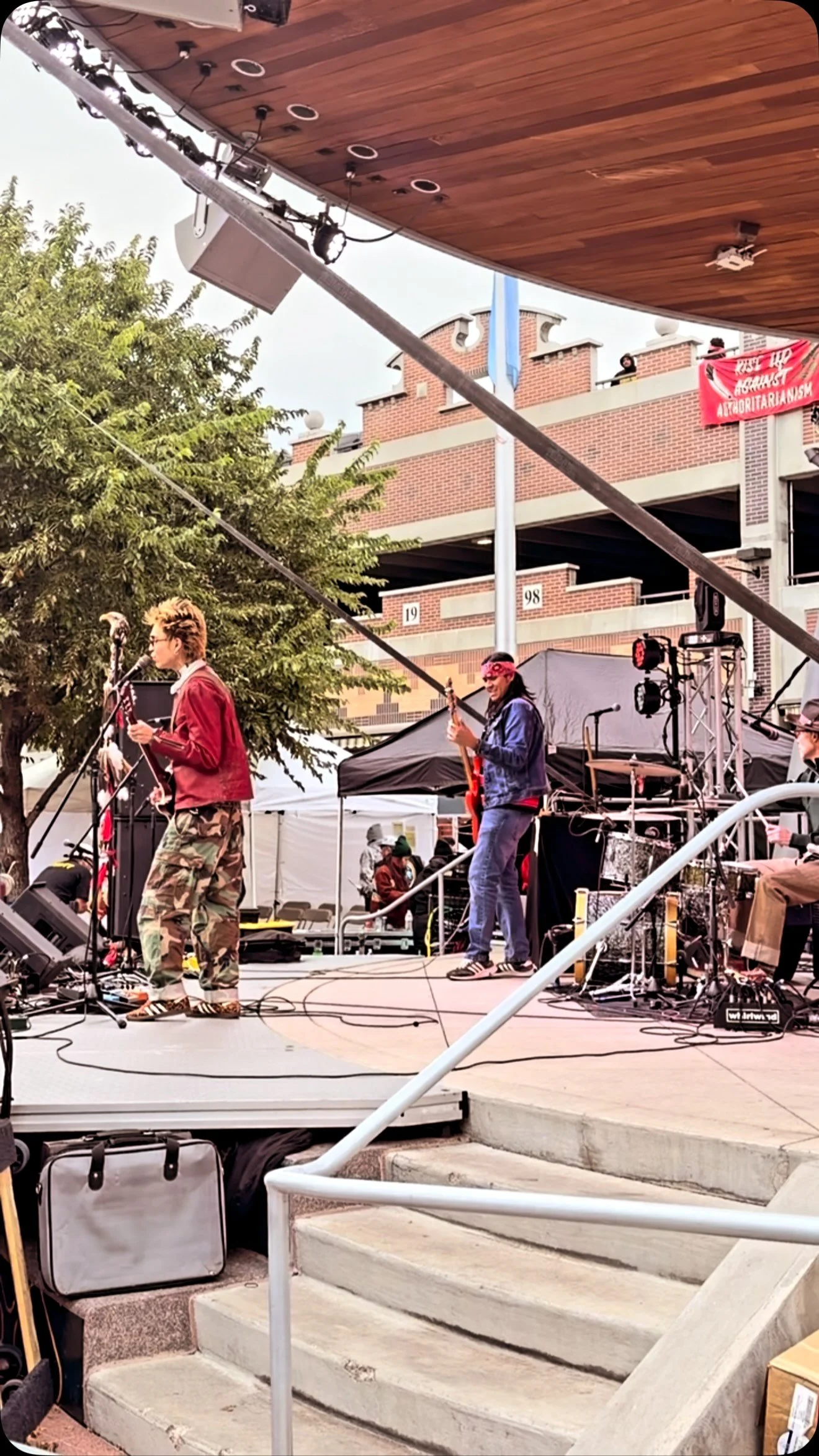
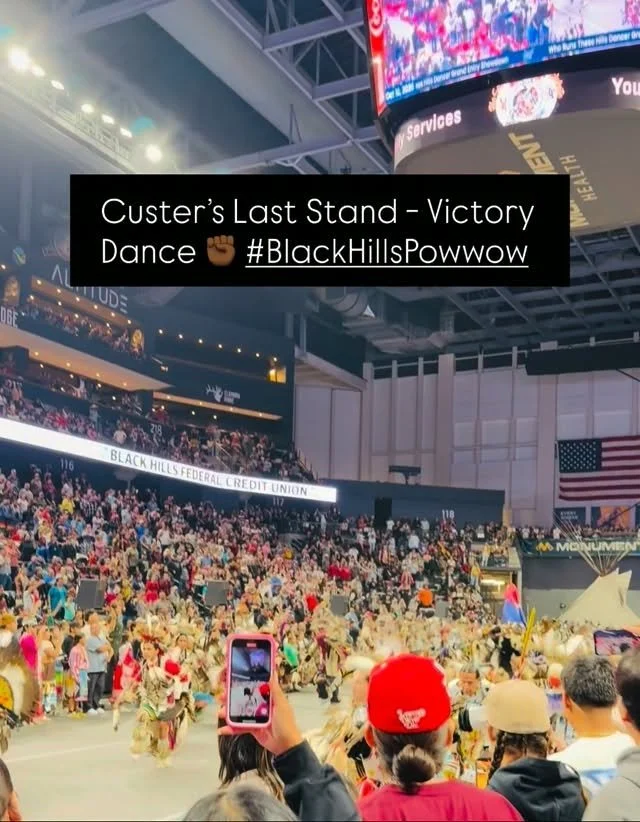
Black Hills Powwow
October 9–11, 2026 | The Monument, Rapid City, South Dakota
Come find Not Our Native Daughters at the Black Hills Powwow. Visit our booth to learn more about our advocacy, youth programming, prevention work, and direct support for families impacted by the MMIP crisis.
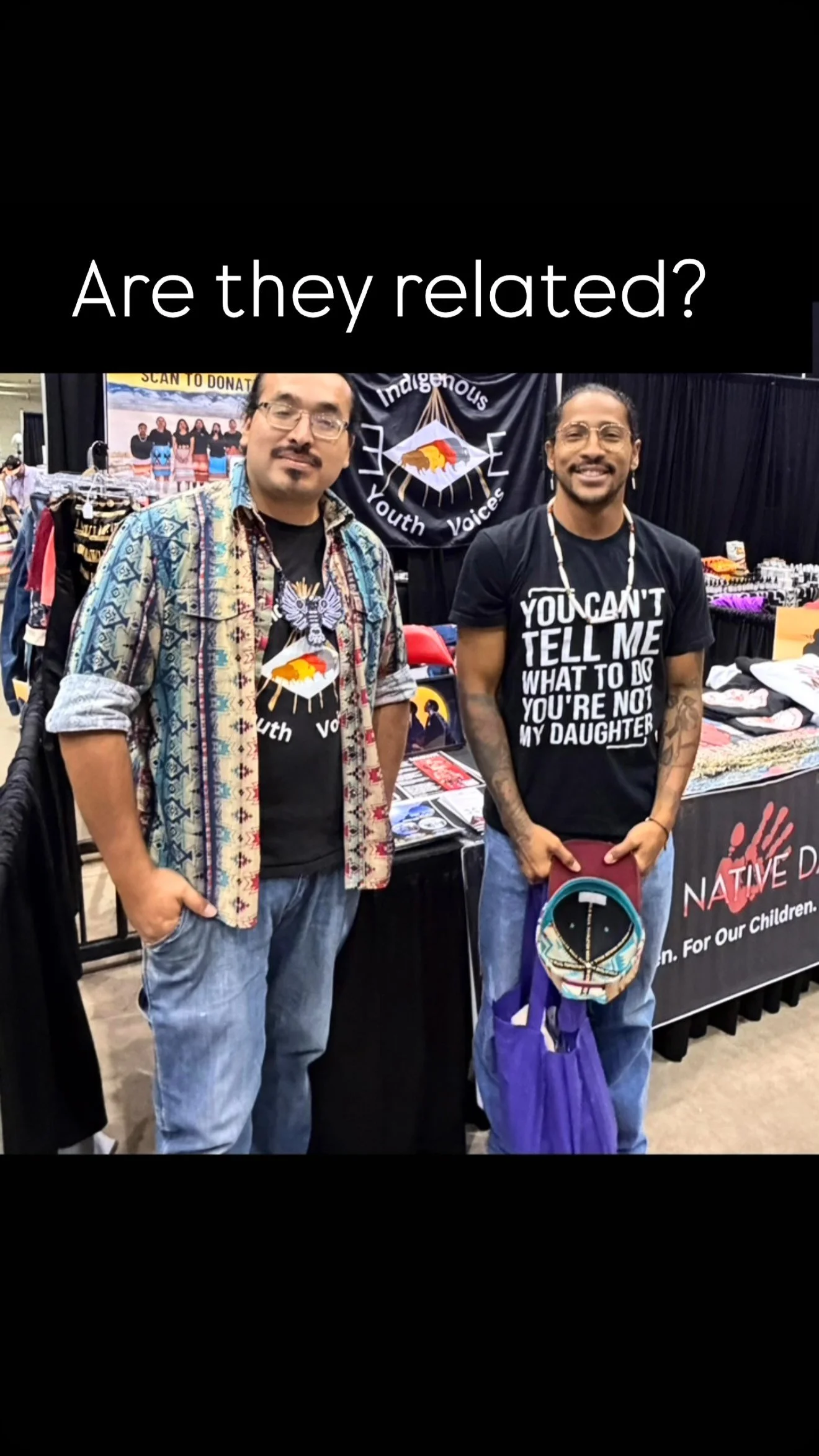
We will have MMIWR T-shirts, hoodies, coffee mugs, stickers, and other merchandise available for purchase. When you support Not Our Native Daughters, you help us continue showing up for families during some of the most difficult moments of their lives.
Learn more. Stand with families. Support an organization doing the work.
LEARN MORE IN OUR EVENTS PAGE HERE.
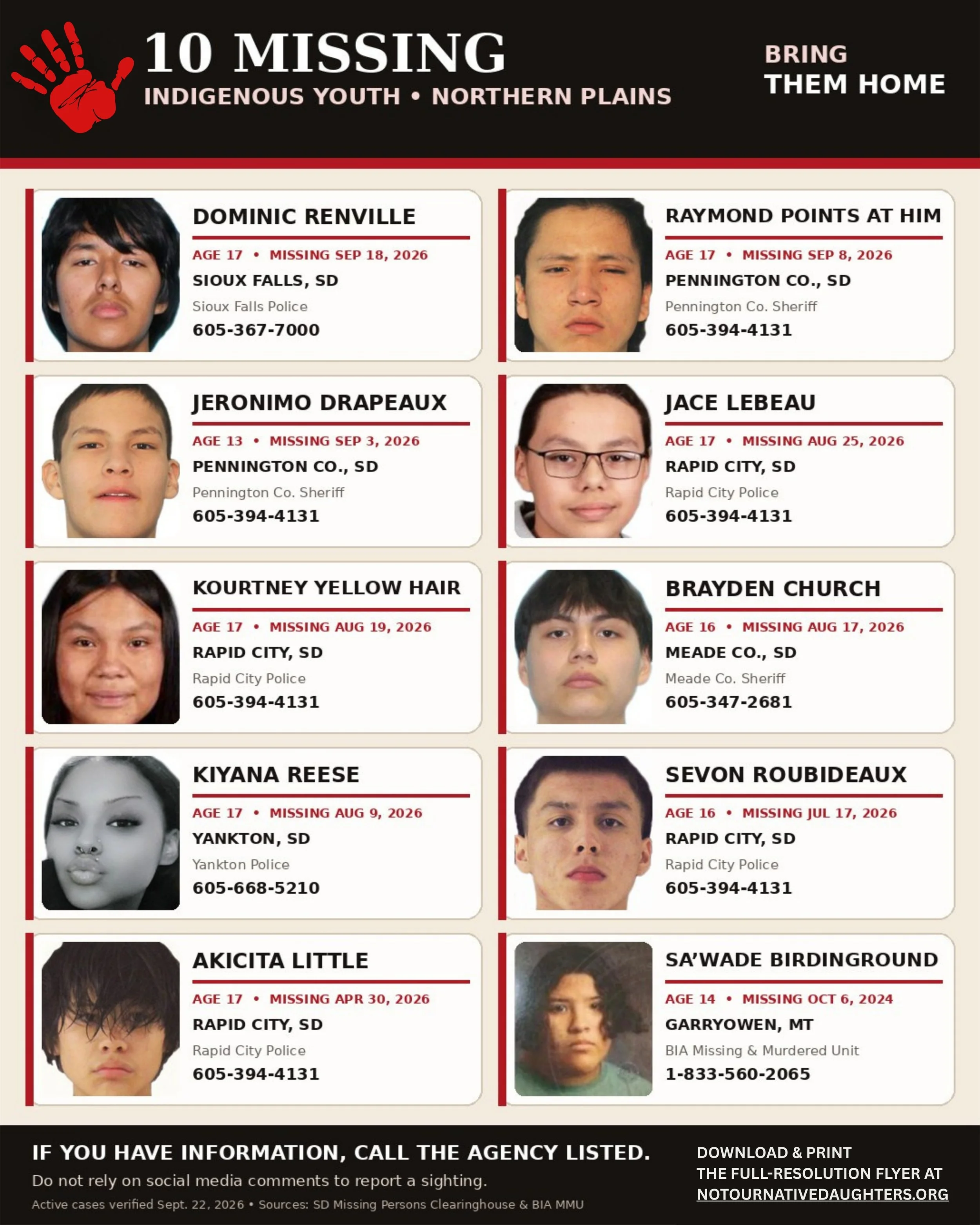
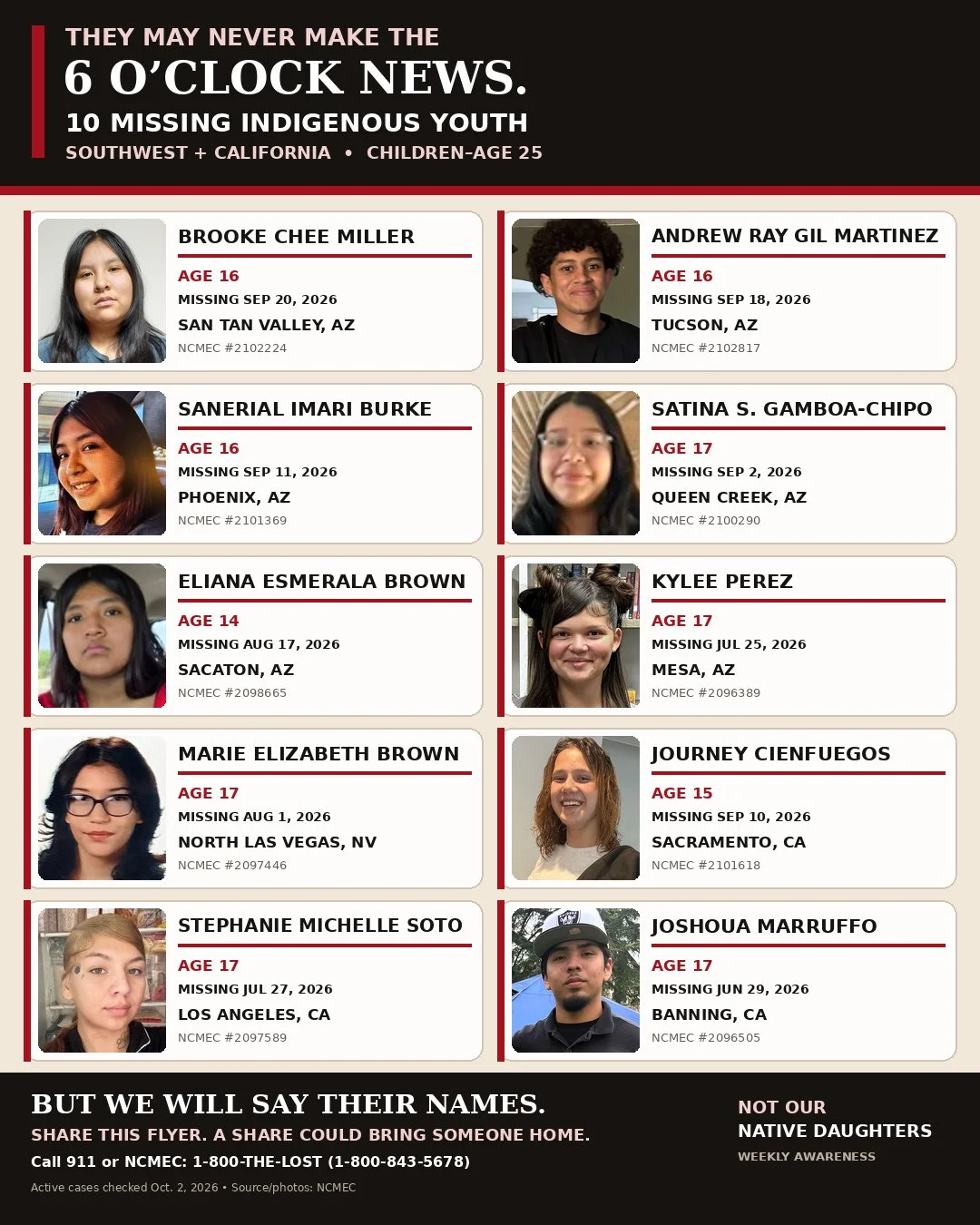
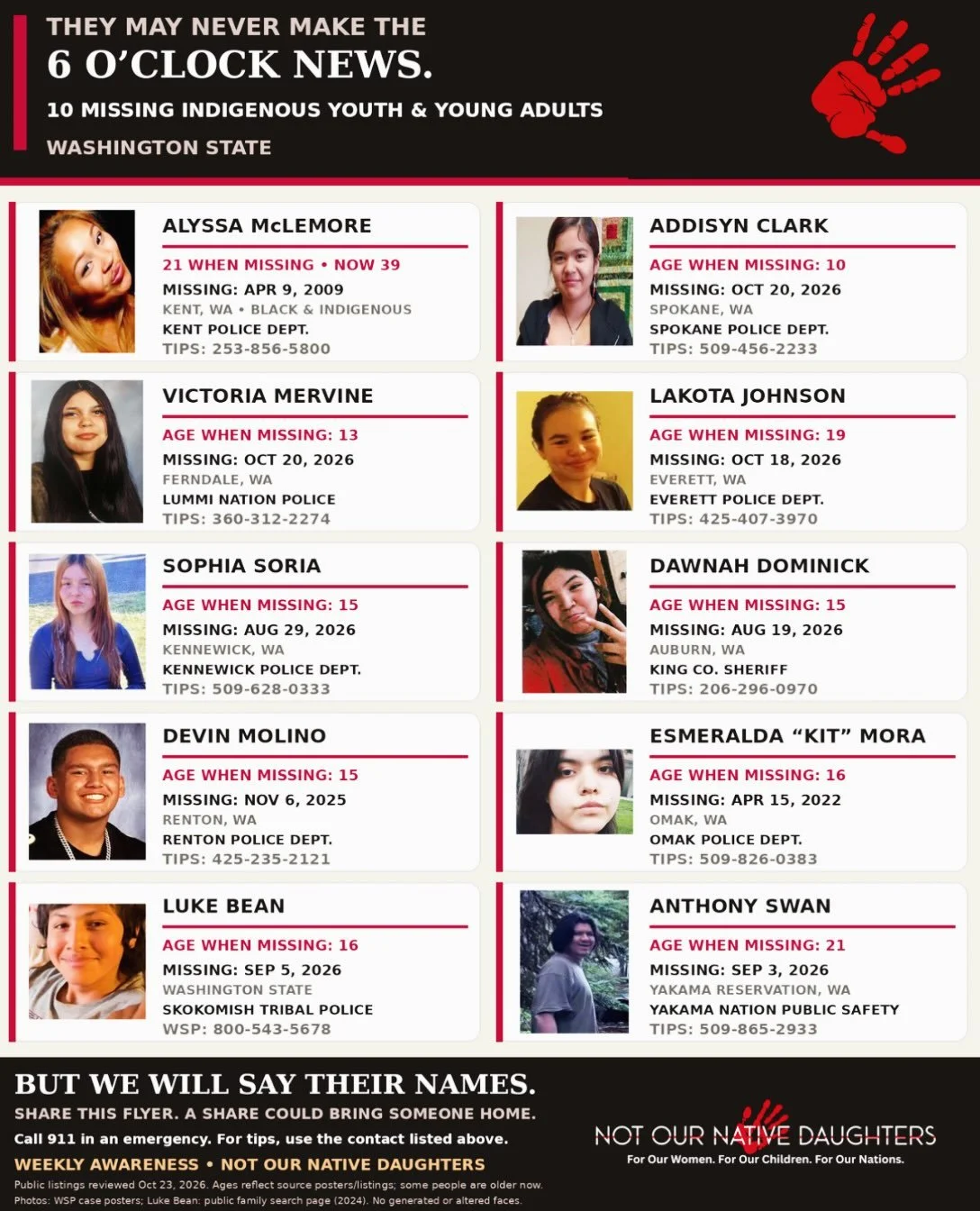
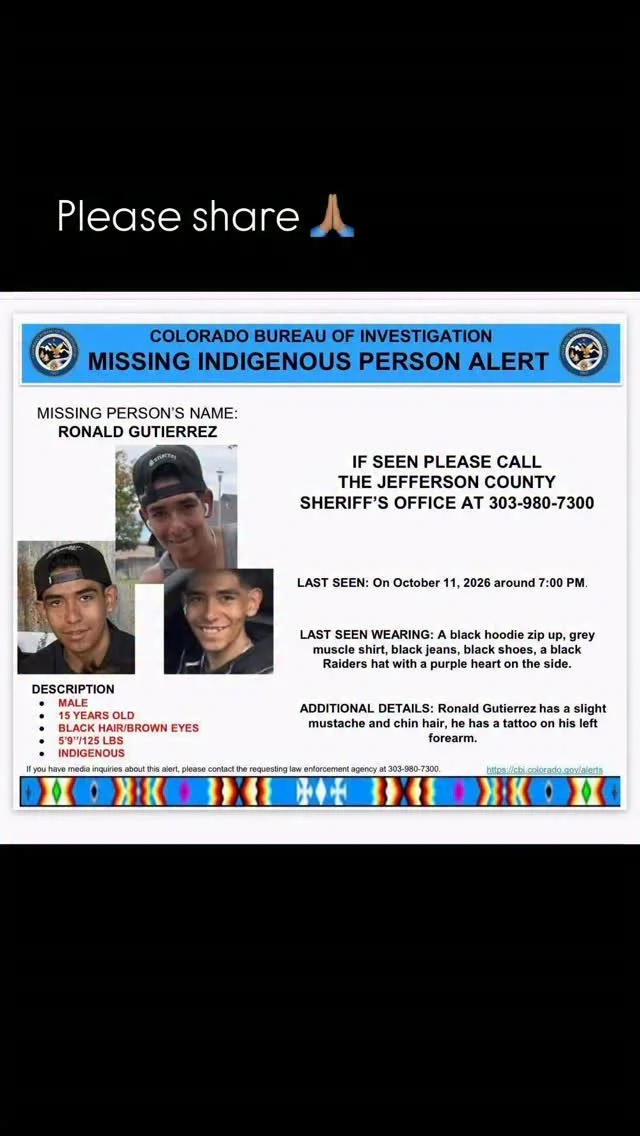
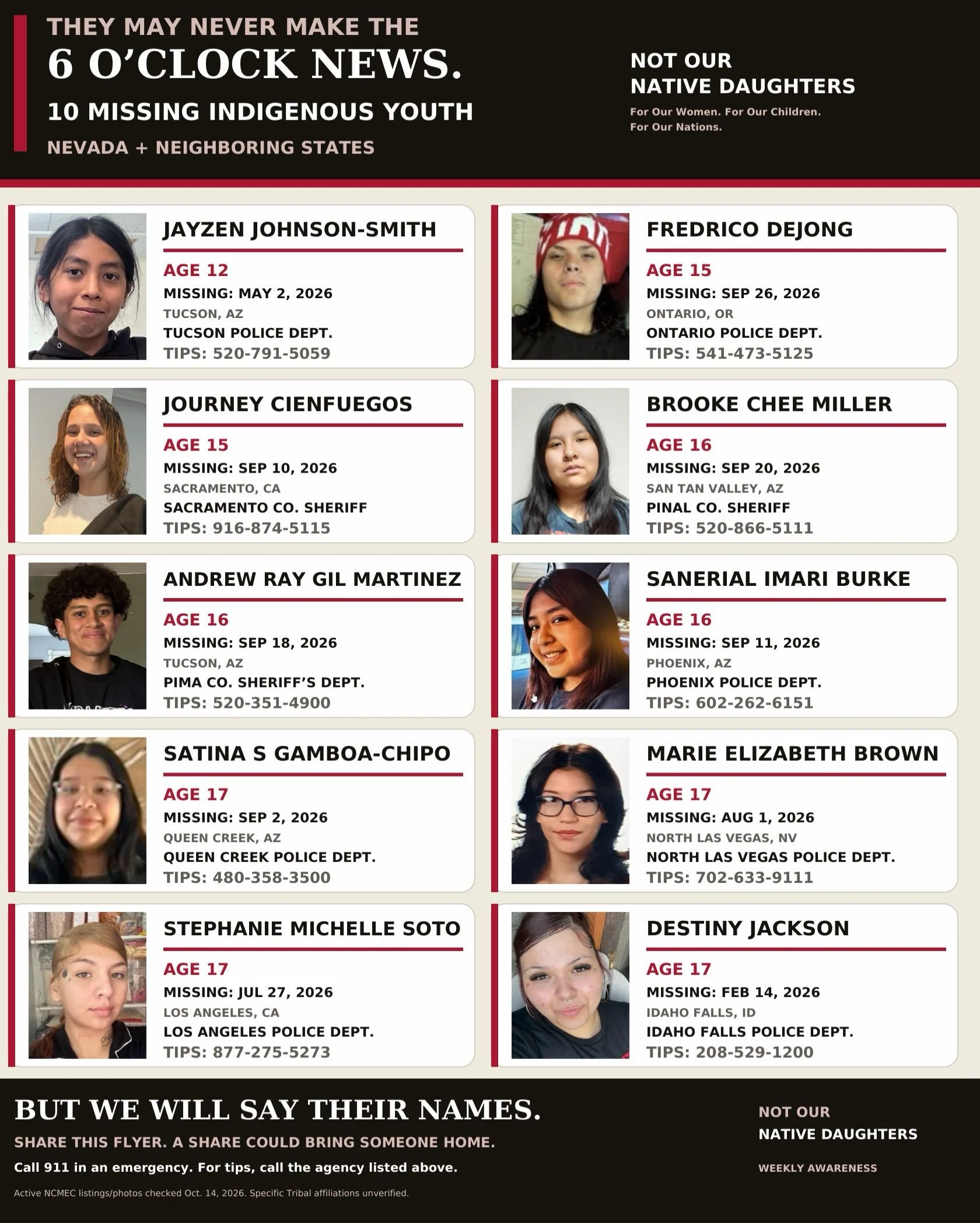
They May Not Make It on the 6 O’Clock News
They may not make the evening news, but we will continue saying their names and sharing their faces.
They May Not Make It on the 6 O’Clock News is Not Our Native Daughters’ weekly awareness initiative for missing Indigenous children, youth, and young adults through age 25. Each week, we highlight publicly reported cases from Tribal communities and urban areas across the country, rotating by region to help these cases reach people beyond state lines, reservation boundaries, and social-media algorithms.
Every person featured is someone’s child, grandchild, sibling, and relative. Our goal is to create greater awareness and urgency by giving the public one place to view, download, print, and share verified missing-person flyers. Information is gathered from law-enforcement alerts, official missing-person databases, family-issued flyers, and other credible public sources.
We encourage individuals, Tribal programs, schools, businesses, churches, media outlets, and community organizations to print and share these flyers in full. If you have information about anyone featured, please contact the law-enforcement agency or official tip line listed on the flyer.
Justice
for
Our
Relatives
MMIW is not only a crisis of violence, but a crisis of systems. Honoring our relatives while confronting the systems that have failed them. Through education, advocacy, and collective care, we work toward justice and healing.
MMIWR: A Crisis Hidden in Plain Sight
MMIWR stands for Missing and Murdered Indigenous Women and Relatives. It describes a national crisis involving the disproportionate rates of disappearance, homicide, domestic violence, sexual assault, exploitation, and human trafficking experienced by Indigenous people.
Jurisdictional gaps do not only burden Tribal communities. They also deeply impact Native Americans living in urban areas. Whether on or off the reservation, cases involving missing and murdered relatives, domestic violence, sexual assault, and human trafficking are too often delayed, dismissed, or deprioritized. Across systems, our cases are frequently placed on the back burner.
Let me ask an honest question: Do you think that is accidental?
Jurisdictional confusion has existed since the earliest days of federal control over our people, when movement was restricted and our sovereignty was undermined. Those systems were never designed to protect us. They were designed to manage us. Today, that legacy continues through fragmented law-enforcement authority, unclear responsibility, and agencies passing cases from one office to another while families wait for answers.
More than 70% of Native Americans now live in urban areas. Yet when our relatives go missing or experience violence within city and county jurisdictions, their cases are still often minimized, delayed, or poorly investigated. Urban residency has not brought equal protection. In many ways, it has created new layers of invisibility.
We have to ask ourselves why.
Is it because Native people are still viewed through harmful stereotypes—as alcoholics, addicts, homeless, unstable, “less credible,” “less urgent,” or less worthy of resources? These narratives are not harmless. They shape how reports are received, how quickly searches begin, whether urgency is applied, and whether families are taken seriously.
Native women and relatives experience some of the highest rates of violence in the country, yet our cases remain among the most underreported, under-investigated, and poorly documented. Many law-enforcement agencies still lack clear protocols for responding to Indigenous cases, particularly when Tribal, state, local, and federal jurisdictions overlap. The result can be delayed responses, lost evidence, poor communication, and families being left without answers.
The crisis is also made less visible by failures within our data systems. Indigenous people are still racially misclassified, recorded inconsistently, or excluded from datasets altogether. Cases may be categorized under the wrong race, entered differently across jurisdictions, or never connected to the larger MMIWR crisis. When Native people are not accurately represented in the data, the true scale of the violence is hidden—and hidden communities are easier to overlook when resources and policies are decided.
Decolonizing data means more than correcting a box on a form. It means recognizing Tribal Nations as sovereign governments, respecting Indigenous ownership and stewardship of information, and ensuring that Native people are accurately counted, identified, and represented. We cannot build effective solutions around data that continues to erase us.
We often hear that jurisdiction is “complicated.” But complexity should never mean neglect.
Clear systems can be built. Agreements can be strengthened. Training can be improved. Sovereignty can be respected while coordination is prioritized. The question is whether there is the political and institutional will to do so.
Perhaps part of the problem lies in how law enforcement is trained. Perhaps it lies in how Indigenous communities are historically viewed. Perhaps it lies in systemic racism that has never been fully confronted. Most likely, it is all of the above.
What we do know is this: the same failures appear again and again, both on and off the reservation. Families are left to advocate alone. Mothers become investigators. Communities are forced to organize their own searches. Survivors are asked to prove their pain.
At the same time, Native-led organizations remain among the least funded in the nonprofit sector. Only about one-half of 1% of philanthropic funding reaches Native-led organizations. We are addressing one of the country’s most devastating public-safety and human-rights crises with some of its fewest resources.
There is no consistent, dedicated federal or state funding stream that guarantees direct assistance to every family impacted by MMIP. Not Our Native Daughters must continually fundraise to keep our MMIWR Family Support Fund available. Donations help families with emergency travel and lodging, search coordination, court attendance, human-trafficking response, media advocacy, law-enforcement liaison services, legal-partner referrals, and culturally responsive healing support.
If we are willing to speak honestly about discrimination, bias, jurisdictional failures, data erasure, and institutional neglect, we can begin to change how these cases are handled. Justice will not come from silence. It will come from accountability, transparency, accurate data, adequate resources, and sustained pressure for reform.
We are raising these questions not simply to accuse, but to demand better—to begin honest conversations about solutions, push for systems that value Native lives equally, and ensure that no family is left fighting alone.
Not Our Native Daughters
Because every life deserves urgency.
To learn more, request family support, donate, or become involved, contact us at info@notournativedaughters.org.
MMIWR Family Support & Liaison Program
We provide family-directed support to Indigenous and First Nations families impacted by missing, murdered, trafficked, or exploited relatives. Serving families nationally, our assistance may include emergency financial and travel support, search coordination, media response, law-enforcement liaison services, court accompaniment, legal-partner referrals, and culturally responsive healing support. Every case is different, and we remain beside families for as long as they want our support and our resources allow.
Learn more about our MMIWR Family Support & Liaison Program.
Learn more about on our Mission page →
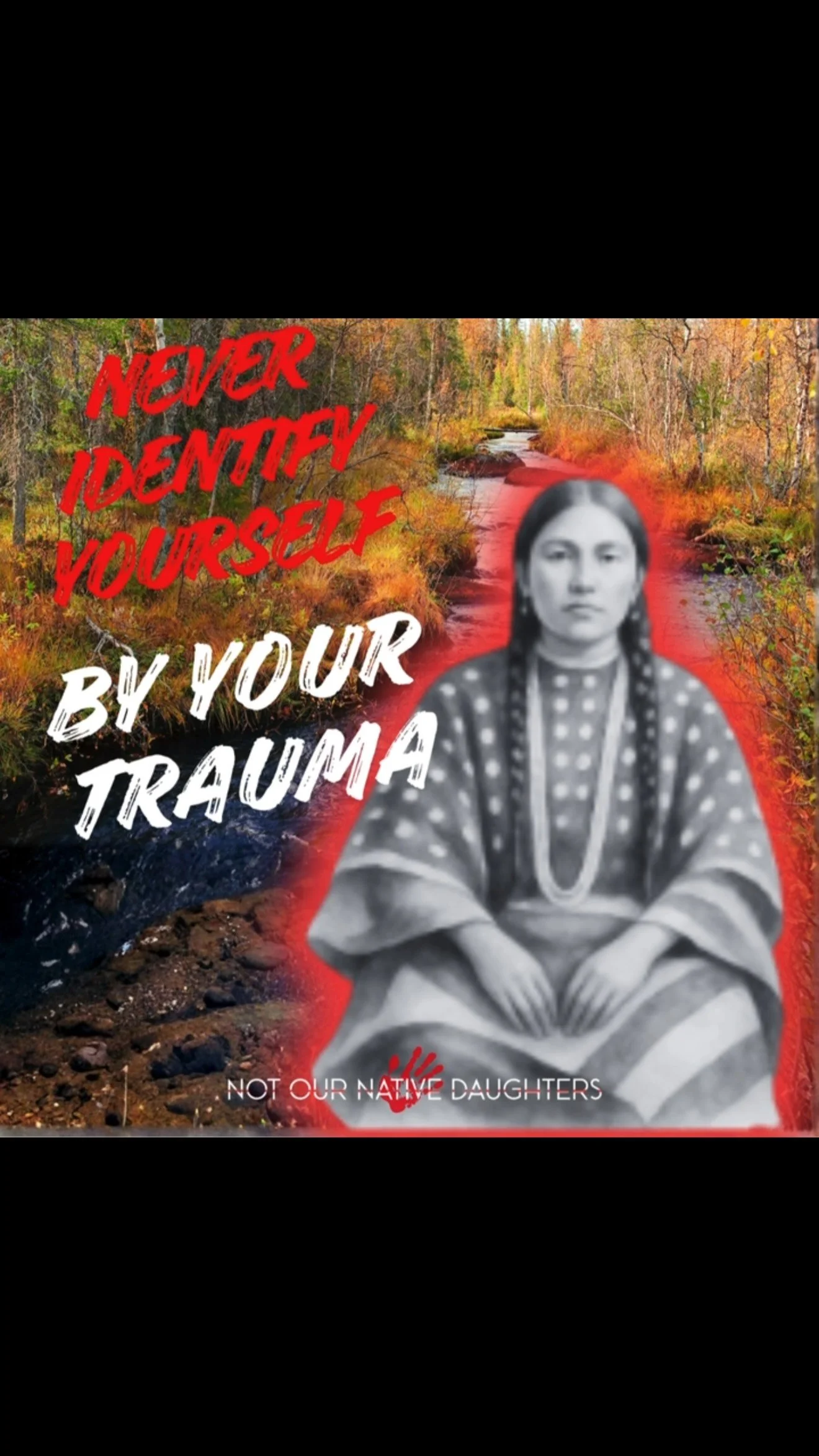
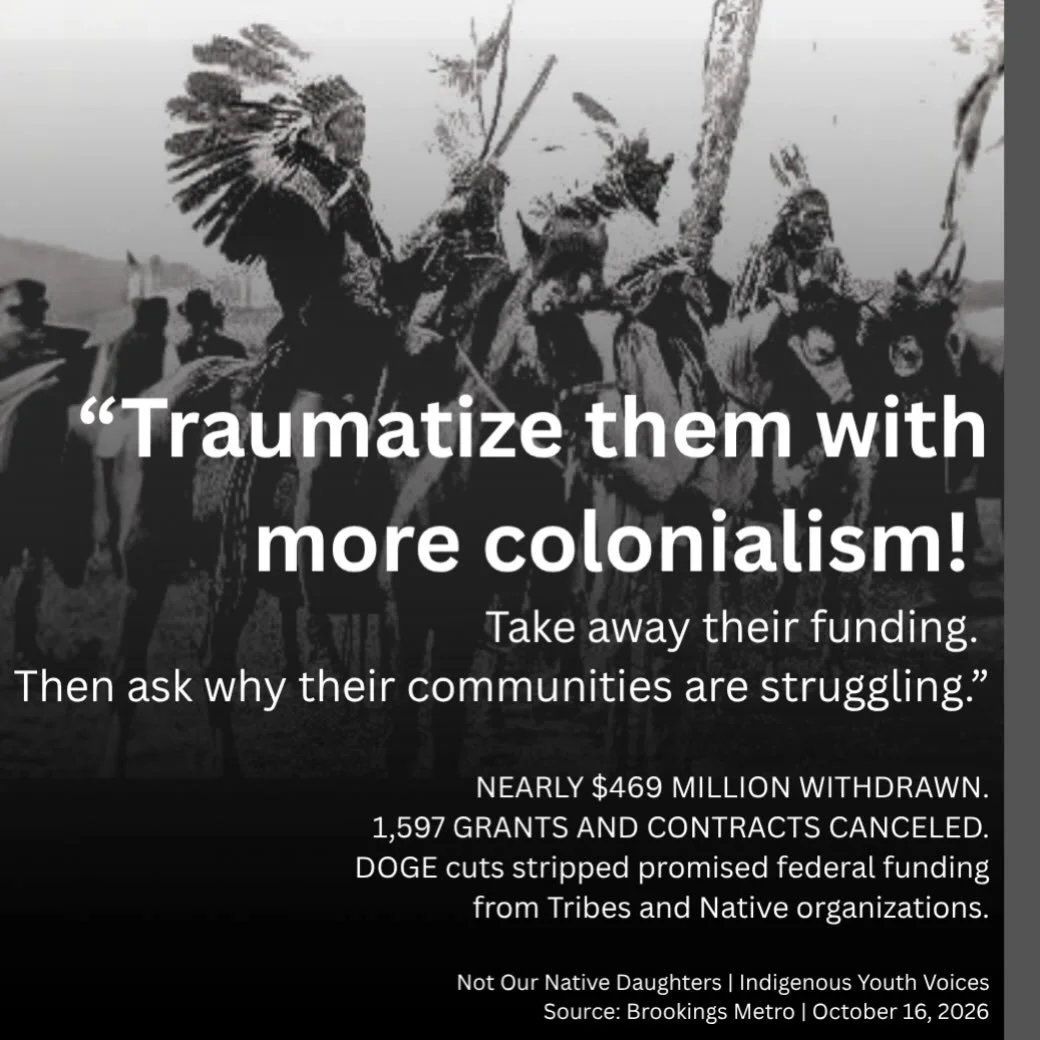
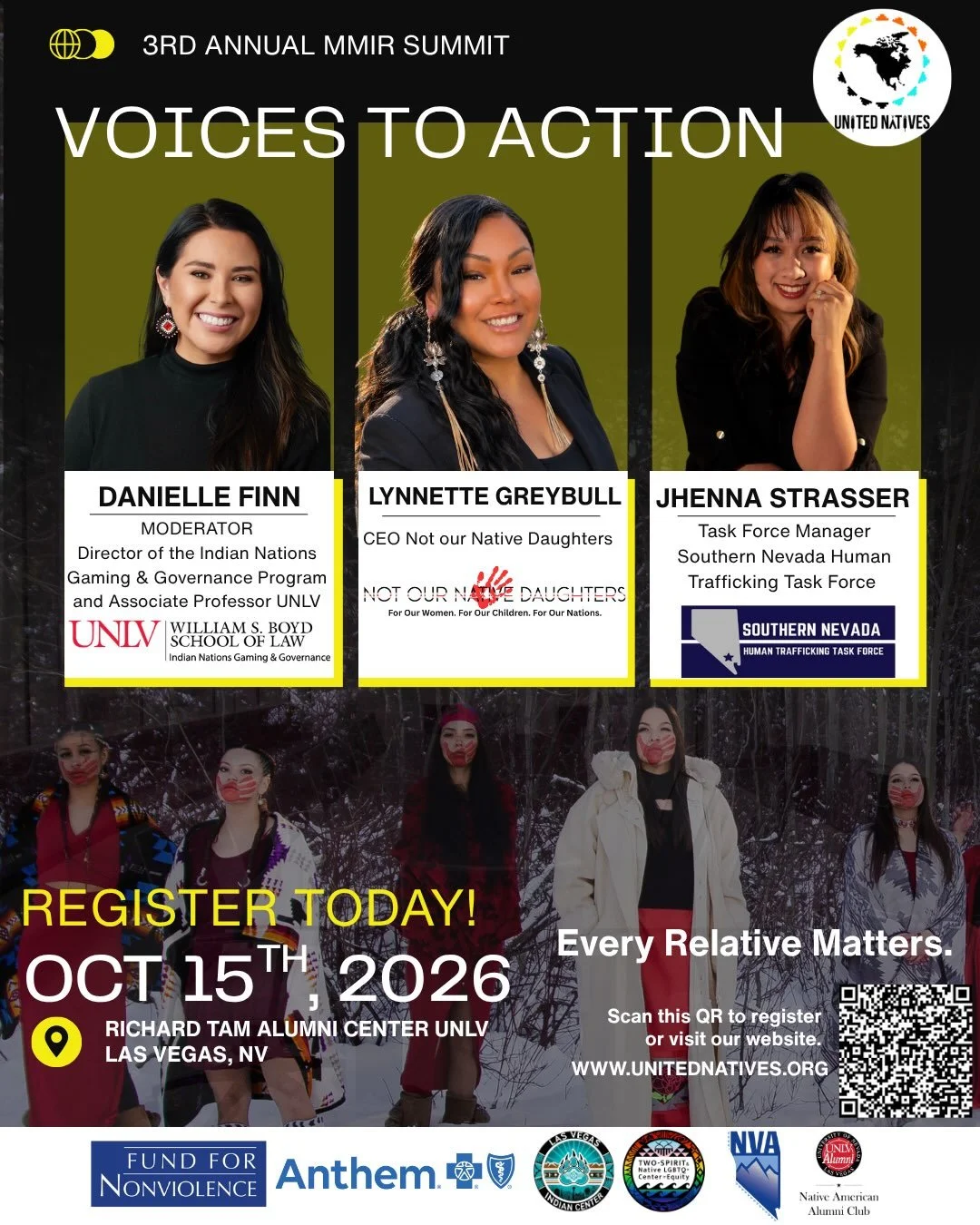

Not Our Native Daughters (NOND) was created for the education and awareness of the missing, exploited, murdered Indigenous Women & Children. May we continue to honor all victims, by continuing to stand for them! Fight with us!

NOND on President’s Biden Apology to Native Americans
"I never went into boarding school, but I have suffered the passed-down trauma, the associated trauma that has stemmed from the boarding school era," Lynnette Grey Bull of the Northern Arapaho Tribe of the Wind River Reservation in Wyoming told Scripps News. Grey Bull's father, Myron, her aunt and several other family members were among those forcibly taken from their homes during that period.
"My father, my grandparents and my ancestors before them have passed away, they have journeyed on, but during their lifetime they were never able to say, 'I suffered a traumatic event such as the boarding school,'" she added. "It was never acknowledged, not only for themselves, but from the US government."
Dateline NBC special The Secrets of Spirit Lake

NOND founder, Lynnette Grey Bull, featured in Dateline NBC special The Secrets of Spirit Lake focused on the epidemic of Missing and Murdered Indigenous Women (MMIW). Premieres Friday, August 27, 2021 (10 p.m. ET/9 p.m. CT).
Lynnette Grey Bull | Credit: Dateline NBC